


Maximizing Music Quality in Recording Studios: Professional Music Studio Tips
- gabriel pearson
- Mar 23
- 4 min read
Creating music that sounds polished and professional requires more than just talent and passion. It demands a deep understanding of the recording environment, equipment, and techniques that can elevate your sound to industry standards. In this post, I will share professional music studio tips that help maximize music quality in recording studios, ensuring your tracks shine with clarity, depth, and emotion.
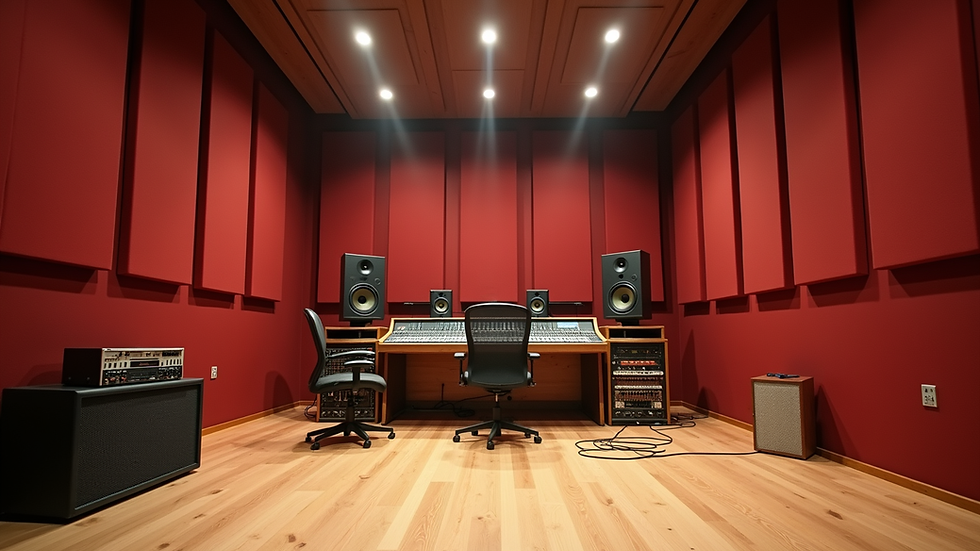
The Foundation of Great Sound: Acoustic Treatment and Room Design
One of the most overlooked aspects of recording is the space itself. The room where you record can make or break your sound quality. I’ve learned that investing time and resources into acoustic treatment is essential for capturing clean, accurate audio.
Why Acoustic Treatment Matters: Untreated rooms cause reflections, standing waves, and unwanted reverb that muddy your recordings. Acoustic panels, bass traps, and diffusers help control these issues by absorbing or scattering sound waves.
Practical Tips:
- Place bass traps in corners to reduce low-frequency buildup.
- Use broadband absorbers on walls at first reflection points.
- Add diffusers on the rear wall to maintain a natural ambiance without harsh echoes.
Room Shape and Size: Rectangular rooms with non-parallel walls reduce flutter echoes. If you’re building or modifying a space, consider these factors early on.
By optimizing your room acoustics, you create a neutral environment where your microphones and monitors can perform at their best.
Professional Music Studio Tips: Equipment and Signal Chain Essentials
Once your room is set, the next step is to focus on the gear and signal flow. The quality of your equipment and how you use it directly impacts the final sound.
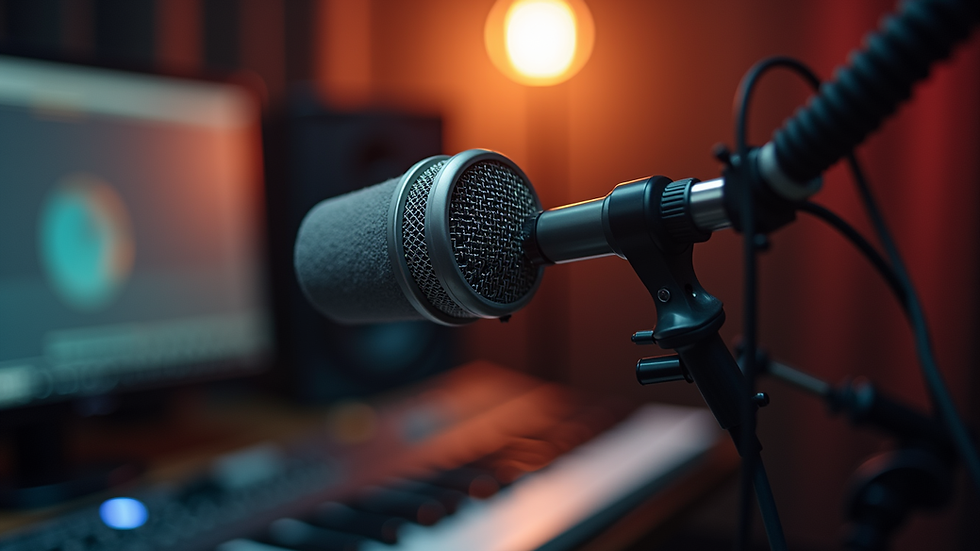
Microphones: Choose microphones suited to the instrument or voice you’re recording. For vocals, large-diaphragm condensers are popular for their clarity and warmth. Dynamic mics work well for loud sources like guitar amps or drums.
Preamps: A clean, transparent preamp preserves the natural tone of your source. Some engineers prefer colored preamps for character, but clarity should always be the priority.
Converters: High-quality analog-to-digital converters ensure your recordings retain detail and dynamic range.
Cables and Connectors: Use balanced cables to minimize noise and interference.
Signal Chain Tips:
1. Start with a good mic placement to capture the best sound.
2. Use minimal processing during tracking to keep the signal clean.
3. Monitor with accurate studio monitors or headphones to make informed decisions.
Remember, the best gear won’t fix poor technique or a bad room, but combined with proper use, it can significantly enhance your recordings.
How much do recording studios cost to build?
Building a recording studio can vary widely in cost depending on size, location, and quality of materials and equipment. Here’s a rough breakdown based on my experience:
Basic Home Studio Setup: $5,000 - $15,000
Includes a decent audio interface, microphones, headphones, monitors, and some acoustic treatment.
Project Studio: $20,000 - $50,000
Better acoustic treatment, higher-end microphones, preamps, and mixing consoles.
Professional Studio: $100,000+
Custom-built rooms with advanced acoustic design, top-tier gear, isolation booths, and control rooms.
Keep in mind, the biggest investment should be in acoustic treatment and room design rather than just gear. A well-treated room with mid-range equipment often outperforms a poorly treated room with expensive gear.
Capturing the Best Performance: Techniques and Workflow
Maximizing music quality is not just about equipment and space; it’s also about how you capture the performance.
Preparation: Ensure the artist is comfortable and warmed up. A relaxed environment leads to better takes.
Mic Placement: Experiment with distance and angle to find the sweet spot. For example, placing a vocal mic slightly off-axis can reduce plosives and sibilance.
Gain Staging: Set input levels to avoid clipping but keep the signal strong enough to minimize noise.
Multiple Takes and Comping: Record several takes and compile the best parts to create a flawless performance.
Use of Headphones: Provide clear, balanced headphone mixes so artists can hear themselves without latency or distraction.
A smooth workflow reduces stress and allows creativity to flow, which ultimately improves the quality of your recordings.
Mixing and Mastering: The Final Touches to Elevate Your Sound
After recording, mixing and mastering are crucial steps to polish your tracks.
Mixing Tips:
- Start with balancing levels before adding effects.
- Use EQ to carve out space for each instrument.
- Apply compression to control dynamics without squashing the life out of the track.
- Add reverb and delay subtly to create depth.
Mastering Tips:
- Use a reference track to compare your mix.
- Apply gentle EQ and compression to glue the mix together.
- Ensure your track translates well on different playback systems.
- Keep loudness in check to avoid distortion.
If you’re new to mixing and mastering, consider collaborating with a professional or using online mastering services to get that final industry-quality sound.
Creating a Lasting Impact with Your Music
Maximizing music quality in a recording studio is a blend of science, art, and experience. By focusing on room acoustics, choosing the right equipment, capturing authentic performances, and applying thoughtful mixing and mastering, you can produce music that resonates deeply with listeners.
At MBGSTUDIOS, we strive to be the creative hub where artists can bring their vision to life with industry-quality results. Whether you’re recording your first demo or your next big hit, these professional music studio tips will help you get the most out of your sessions.
Remember, great music starts with great sound. Invest in your environment, your tools, and your craft - the results will speak for themselves.


Comments