


Advanced Professional Recording Techniques Explained
- gabriel pearson
- Mar 16
- 4 min read
When I first started diving into the world of music production, I quickly realized that capturing a great performance is only half the battle. The real magic happens when you apply advanced professional recording techniques to bring out the best in every track. Whether you’re working with vocals, guitars, drums, or synths, understanding these techniques can elevate your recordings from good to industry-quality.
In this post, I’ll walk you through some of the most effective methods I’ve used and refined over the years. These approaches are designed to help musicians, artists, and vocalists craft polished, dynamic, and engaging music that stands out.
Exploring Professional Recording Techniques for Superior Sound
One of the first things I learned is that professional recording techniques are not just about fancy gear or expensive studios. It’s about how you use your tools and environment to capture sound in the most natural and impactful way possible. Here are some key techniques I recommend:
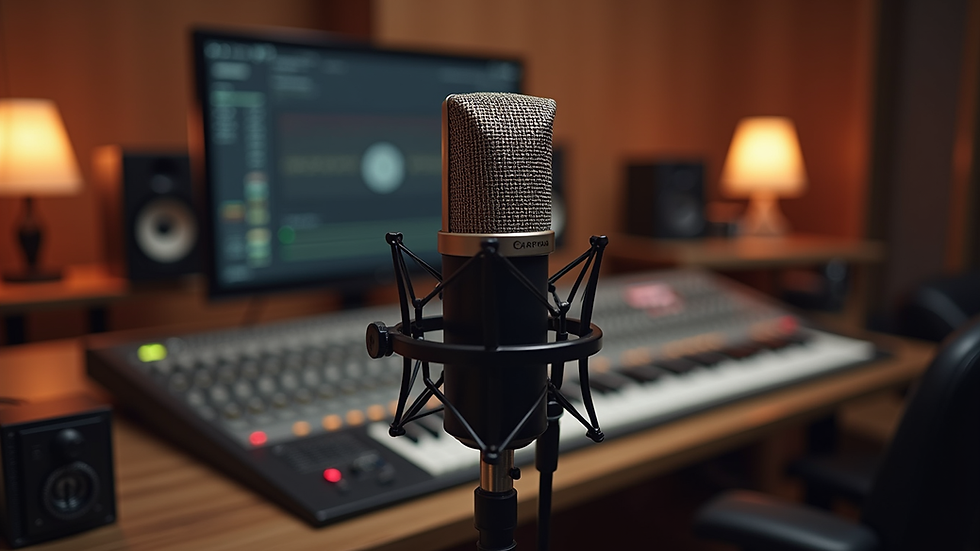
Microphone Placement: The position of your microphone can drastically change the tone and clarity of your recording. For example, placing a condenser mic slightly above and in front of a vocalist’s mouth captures crisp highs and reduces plosives.
Room Acoustics: Treating your recording space with acoustic panels or diffusers helps minimize unwanted reflections and echoes. This creates a cleaner sound that requires less post-processing.
Gain Staging: Setting the right input levels ensures your recordings are free from distortion while maintaining a strong signal-to-noise ratio.
Using Multiple Mics: For instruments like drums or acoustic guitars, using multiple microphones at different angles can capture a fuller, more natural sound.
Direct Input (DI) Recording: For electric guitars and basses, recording a DI signal alongside a mic’d amp gives you more flexibility during mixing.
By mastering these techniques, you can significantly improve the quality of your recordings and reduce the time spent fixing issues later.
What are some musical techniques?
When it comes to recording, understanding musical techniques is just as important as technical know-how. These techniques influence how you capture performances and shape the final sound. Here are some examples:
Double Tracking: Recording the same part twice and layering them creates a thicker, richer sound. This is especially popular with vocals and electric guitars.
Punch-In Recording: Instead of re-recording an entire take, punch-in allows you to fix small mistakes by recording over specific sections.
Automation: Adjusting volume, panning, or effects dynamically throughout a track adds movement and interest.
Parallel Compression: Blending a heavily compressed version of a track with the original preserves dynamics while adding punch.
Re-amping: Sending a recorded DI signal back through an amplifier or effects chain to experiment with different tones.
These musical techniques, combined with solid recording practices, give you creative control and help you achieve professional results.
Capturing Vocals with Precision and Emotion
Vocals are often the centerpiece of a song, so capturing them with clarity and emotion is crucial. Here’s how I approach vocal recording:
Choose the Right Microphone: A large-diaphragm condenser mic is usually the go-to for vocals due to its sensitivity and wide frequency response.
Use a Pop Filter: This reduces plosive sounds like “p” and “b” that can cause distortion.
Create a Comfortable Environment: Make sure the vocalist feels relaxed and can perform naturally. Sometimes a little background noise or room ambiance adds character.
Experiment with Mic Distance: Moving the mic closer emphasizes intimacy and detail, while stepping back captures more room sound.
Record Multiple Takes: Encourage the artist to perform several takes to capture different emotions and nuances.
After recording, subtle compression and EQ can enhance the vocal without making it sound artificial.

Advanced Techniques for Instrument Recording
Instruments require different approaches depending on their type and role in the mix. Here are some advanced tips I use:
Guitars: Combine close-miking the amp speaker with a room mic to add depth. Try different mic types like ribbon or dynamic mics for varied tonal qualities.
Drums: Use a combination of overhead, snare, kick, and tom mics. Phase alignment is critical here to avoid frequency cancellations.
Pianos and Keyboards: For acoustic pianos, place mics near the hammers and strings. For keyboards, recording direct outputs ensures a clean signal.
Strings and Brass: Position microphones to capture the natural resonance and avoid harshness. Sometimes a stereo pair works best for a wide soundstage.
Don’t hesitate to experiment with mic placement and layering to find the sweet spot for each instrument.
Mixing Tips to Complement Your Recording Techniques
Once you’ve captured your tracks using these professional recording techniques, mixing is where everything comes together. Here are some practical tips:
Balance Levels: Start by setting volume levels so every instrument and vocal sits well in the mix.
Use EQ to Carve Space: Cut frequencies that clash and boost those that enhance clarity.
Add Reverb and Delay Sparingly: These effects add depth but can muddy the mix if overused.
Apply Compression Thoughtfully: Control dynamics without squashing the natural feel.
Automate for Dynamics: Use automation to highlight key moments and keep the listener engaged.
Remember, a great mix complements your recording techniques and brings out the best in your performance.
Taking Your Recordings to the Next Level
Mastering advanced professional recording techniques is a journey that requires patience and practice. By focusing on microphone placement, room acoustics, and understanding musical techniques, you can create recordings that truly shine. Whether you’re tracking vocals, guitars, or drums, these methods help you capture authentic performances with clarity and emotion.
If you want to dive deeper into music recording techniques, consider working with a studio that understands your vision and can guide you through the process. At MBGSTUDIOS in Brooklyn, we specialize in helping artists across all genres craft industry-quality music from start to finish. Our goal is to be your creative hub and support your growth in the music industry.
With the right techniques and support, your music can reach new heights and connect with listeners on a whole new level. Keep experimenting, stay curious, and never stop honing your craft.


Comments